Finding Enjoyable Ways to Spend Time Outdoors
Four questions to work out what kind of outdoors suits you, ways round common obstacles, and ideas for home, the working day and the weekend.

On this page
“Get outside more” is easy advice to give and awkward to follow if you do not enjoy hiking, live far from a park, or leave work after dark. Time outdoors does not have to mean exercise or countryside. This article starts from what you like and what stands in your way, and works towards one or two outdoor routines that would fit your week.
What is known about time outdoors and wellbeing
Health services mention the outdoors in passing more than they prescribe it. The NHS in England, in its Every Mind Matters tips, lists enjoying the outdoors alongside being active and eating a balanced diet as things that can affect how we feel. Australia’s healthdirect includes time in nature among ways to use regular down time.
The research picture is positive but imprecise. A 2021 report from the World Health Organization’s European office summarised two systematic reviews and found an overall positive link between green and blue spaces (parks, woods, rivers, coasts) and mental health. It also reported mixed results when different kinds of green space were compared, concluded that no single type suits everyone everywhere, and said that for water settings there were too few high-quality studies to draw firm conclusions.
Two cautions follow. A link observed across populations is an association; people with more access to pleasant green space may differ in other ways, such as income or health. And nothing in this evidence supports a required dose of minutes per week. The practical reading is permissive: if you enjoy being outside, that is reason enough, and the kind of outdoors that suits you is yours to choose.
Start with what you actually like
Four questions narrow things down faster than a list of activities.
- Moving or still? Some people want a walk or a ride. Others want a bench and a view. Both count.
- Alone or with people? Time outside can be solitude or company. The US Centers for Disease Control and Prevention lists spending time with others in nature, and joining a community garden, among ideas for social connection.
- Doing something or doing nothing? A purpose helps some people: growing vegetables, photographing birds, walking a dog, sketching. Others want no task at all.
- Near or far? A place you can reach in five minutes will be used more often than a beautiful one an hour away.
Common obstacles and ways round them
| Obstacle | Something to try |
|---|---|
| No time | Move an existing activity outside: lunch, a phone call, reading |
| No park nearby | Tree-lined streets, a churchyard, a canal or river path, a square with benches |
| Dark after work | Use midday in winter; save longer outings for weekends |
| Bad weather | Shorter outings with the right coat; a covered spot such as a porch |
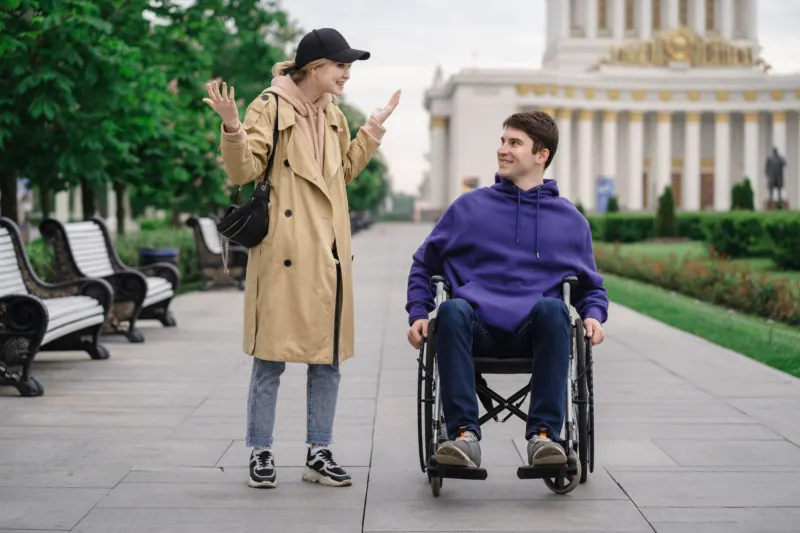
| Limited mobility | Level, surfaced routes with seating; a garden, balcony or open window |
| Not feeling safe | Go in daylight, with someone, or to busier places |
| It feels pointless | Give it a purpose: an errand on foot, a plant to water, a photo a day |
On the “no park” point, the NHS notes that towns and cities offer more than people expect, including parks, heritage trails, canal towpaths, riverside paths and nature reserves. On mobility, adapting activity plans to your abilities and circumstances has more detail.
Ideas by setting
At home
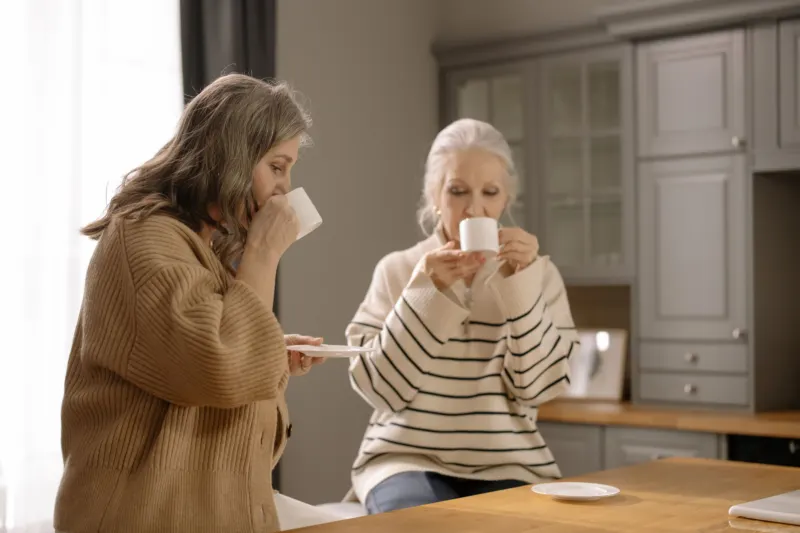
- Drink a morning tea or coffee outside, or by an open window.
- Grow something: herbs in a window box count.
- Eat one meal a week outdoors when the weather allows.
- Put a bird feeder where you can see it.
During the working day
- Take lunch to a bench instead of a desk.
- Walk part of the commute, or get off a stop early. The NHS lists walking part of the journey to work among ways to build walking into a routine.
- Hold a one-to-one conversation on foot.
- Step outside for five minutes between tasks.
At the weekend
- Pick one green or waterside place within easy reach and visit it through the seasons.
- Join a group walk. Organised walks suit people who would not go alone; the NHS mentions them as a way to get started and meet people.
- Try outdoor versions of things you already do: reading, knitting, playing music, meeting a friend.
- Volunteer outdoors with a park group or community garden.
If walking turns out to be your thing, see planning a walking routine around your day. If company is the appeal, making time for social connection has ways to make plans repeat.
Being comfortable out there
Discomfort is the usual reason outdoor plans lapse, so a little preparation pays off.
- Shoes. The NHS advises comfortable shoes or trainers that give enough support and do not cause blisters.
- Layers and a waterproof. Being slightly too warm is easier to fix than being cold and wet.
- Water and a snack for anything longer than a short stroll.
- Sun. Sun advice depends on where you live and the season. As one national example, the NHS advises people in the UK to spend time in the shade between 11am and 3pm from March to October, to cover up with suitable clothing, a wide-brimmed hat and sunglasses, and to use sunscreen of at least SPF 30. It adds that protection is worth considering whenever the UV index is 3 or higher. Check your own country’s guidance and the local UV forecast.
- Seasonal allergies, insects, heat and cold vary by region. Local public health advice is the best guide.
Choose one small thing
From everything above, choose one outdoor moment that would be pleasant and realistic this week, and decide when it will happen. “Lunch on the bench by the library on Wednesday” is a plan. “Get outside more” is not. If it turns out you did not enjoy it, try a different answer to the four questions. The aim is something you look forward to, not another duty.
Sources
- WHO Regional Office for Europe (International) Green and blue spaces and mental health: new evidence and perspectives for action
- NHS (UK) Top tips to improve your mental wellbeing (Every Mind Matters)
- NHS (UK) Walking for health
- NHS (UK) Sunscreen and sun safety
- Centers for Disease Control and Prevention (US) Improving Social Connectedness
- healthdirect (Australian Government) (Australia) Work-life balance - strategies and where to get help
How this guide was prepared
Written by Meetis Editorial with AI assistance, using the sources listed above, and checked against them before publication. It has not been reviewed by a doctor or other health professional. It is general information, not personal medical advice — for questions about your own health, speak to a qualified professional.