Adapting Activity Plans to Your Abilities and Circumstances
What public guidance says about activity for disabled people, long-term conditions, pregnancy, older age and carers, and how to shape a plan that fits.
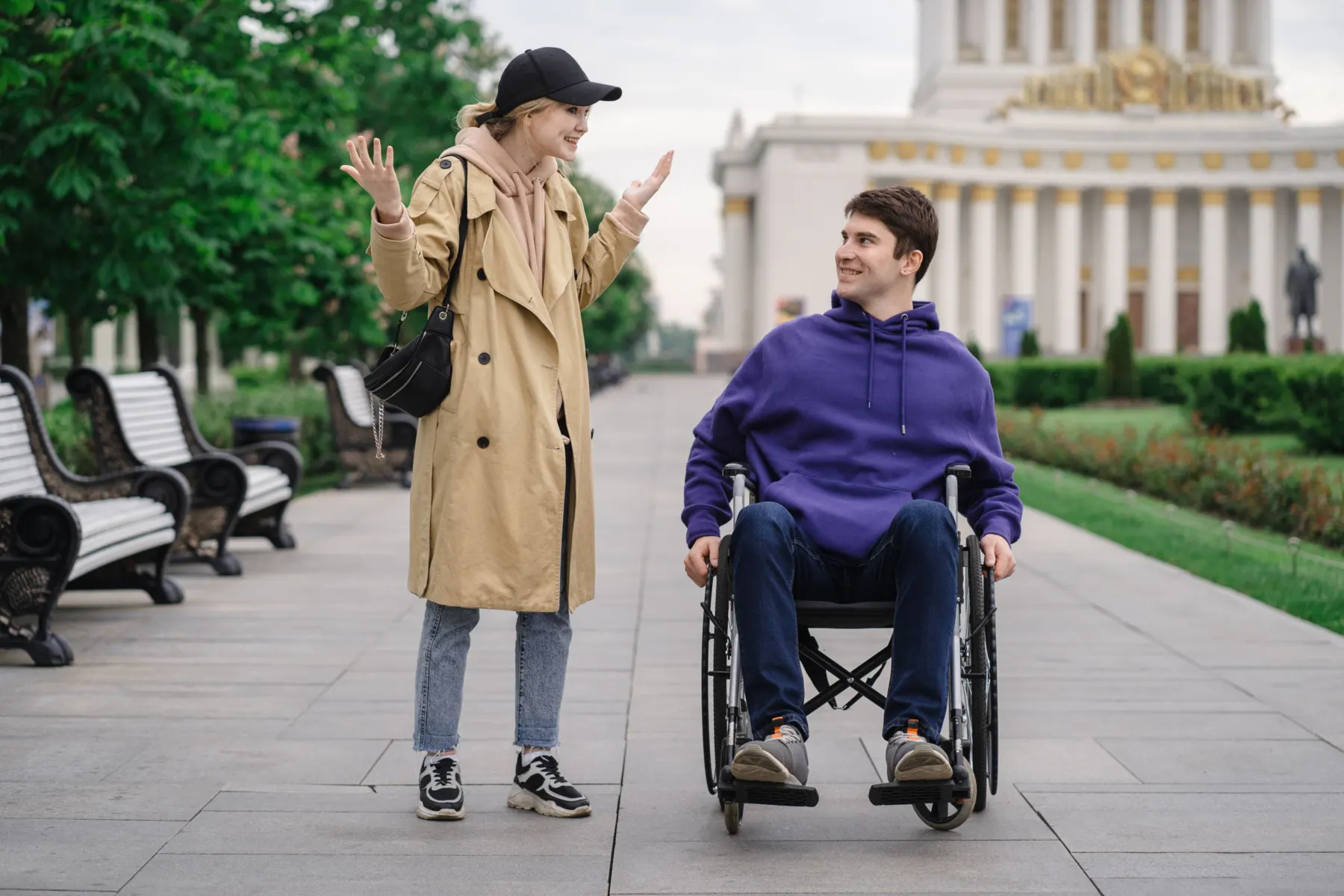
Key points
- WHO guidelines cover older adults, pregnancy and people living with chronic conditions or disability, not only adults in general.
- The CDC says adults with chronic conditions or disabilities should be as active as they are able.
- UK guidelines describe the risk of serious harm from activity as very low.
- A health professional can advise on the types and amounts of activity that suit your situation.
Most writing about physical activity quietly assumes a reader with two working legs, no diagnosis, free evenings and nobody depending on them. A great many adults do not match that picture, and guidance written as though they did can read like an invitation to give up.
The guidelines themselves are more inclusive than their headlines. The current World Health Organization (WHO) recommendations cover older adults, pregnant and postpartum women, and people living with chronic conditions or disability alongside adults in general. This article sets out what the main public sources say for different circumstances and how to use that to shape a plan of your own. It does not give advice for specific conditions; that belongs with the people who know your health.
Four principles that hold across circumstances
- Some is better than none. The WHO says any amount of physical activity is better than none. The US Centers for Disease Control and Prevention (CDC), writing for adults with chronic conditions and disabilities, puts it as: be as active as you are able.
- The standard figures are a reference point, to be met where ability allows. The CDC says adults with chronic conditions or disabilities who are able should aim for the general adult amounts of at least 150 minutes of moderate activity a week and muscle-strengthening on at least two days. The qualifier is part of the guideline.
- Risk is generally low, and inactivity is not the safe option. The UK Chief Medical Officers’ guidelines describe the risk of serious harm from physical activity as very low and state that the benefits outweigh the risks.
- Build up gradually. The same guidelines describe starting at low durations and intensities and increasing as the body adjusts.
What the sources say for different circumstances
If you are disabled
The UK guidelines say the adult recommendations apply to disabled adults and that there is no reason to vary them by type of impairment. They state that there are no major risks from activity done at a duration and intensity appropriate to the individual, and that myths about physical activity being inherently harmful for disabled people should be dispelled.
What changes is the form the activity takes. The WHO includes wheeling in its definition of physical activity. For wheelchair users, the NHS suggests options such as swimming, seated exercise, wheelchair workouts and wheelchair sports for raising the heart rate, with the same sign of moderate effort as anyone else: slightly out of breath, able to talk but not sing. It also says that people new to exercise need not meet the full targets straight away, and suggests starting with ten-minute sessions.
Access is often the real barrier. Before visiting a pool, gym or class, it is worth phoning to ask about step-free entry, changing facilities and adapted equipment.
If you live with a long-term condition
The CDC advises adults with chronic conditions to consult a health care professional or physical activity specialist about the types and amounts of activity appropriate for them. That is a reason to ask, not a reason to wait indefinitely: the same page lists benefits including support for daily living and independence, and notes that activity reduces pain and improves function in people with arthritis.
Many conditions fluctuate. It can help to plan two versions of your week, one for better days and one for harder ones, and to agree with your clinician what “harder day” activity looks like and what should prompt you to stop and seek advice. Our piece on activity goals without an all-or-nothing mindset describes a floor-and-stretch approach that suits this well.
If you are pregnant or have recently given birth
The UK guidelines say physical activity can safely be recommended to women during and after pregnancy, and that choices should reflect what a woman was doing before. The NHS says that if you were not active before pregnancy, you can begin gently, for example with about ten minutes a day, and build up; it does not recommend starting a new vigorous activity, such as running, during pregnancy. It also lists things to avoid, such as sports and activities with a risk of falling or of a knock to the bump, and suggests telling any trainer or instructor that you are pregnant.
The NHS advises anyone with a health condition to speak to their midwife about which activities are safe. For the months after birth, the UK guidelines describe a gradual return: after the six-to-eight-week postnatal check, and depending on how the woman feels, intensity can build from moderate to vigorous over at least three months. This is guidance from the UK; other countries organise maternity care and postnatal checks differently, so follow the advice of your own maternity team.
If you are older
For adults aged 65 and over, the NHS recommends being physically active every day, even if only with light activity, and doing activities that improve strength, balance and flexibility on at least two days a week. It says that for people who have fallen or worry about falling, exercises that build strength, balance and flexibility help them feel stronger and more confident on their feet. It also suggests speaking to a GP first if you have not exercised for some time or have medical conditions or concerns.
The UK guidelines note that for frail older adults it may be more appropriate for new exercises to be supervised at first by a trained professional. The aim of staying able to do everyday things is one that many people find more motivating than a number of minutes.
If you care for someone else
Guidelines have no chapter for carers, but one principle matters here. The UK guidelines say activity can be accumulated in bouts of any length, including under ten minutes, which means that fragmented time is still usable time.
For parents of young children, the UK guidelines list lifting and carrying children among muscle-strengthening activities, so some of the work is already being done.
Shaping your own plan
- Start from what you can do. List movements and activities that are possible on an ordinary day, however small.
- Change one thing at a time. Adjust the duration, the effort, the position (seated, supported, in water) or the setting, not all four.
- Use effort, not speed, as your guide. The talk test described in exercise intensity in everyday language works for any body and any form of movement.
- Keep a brief record. A few lines on what you did and how you felt afterwards gives you something concrete to show a professional.
Our guide to preparing for a medical appointment can help you fit these into a short consultation.
Sources
- World Health Organization (International) Physical activity (fact sheet)
- Centers for Disease Control and Prevention (US) Chronic Conditions & Disabilities Activity
- UK Department of Health and Social Care (UK) UK Chief Medical Officers' physical activity guidelines
- NHS (UK) Fitness advice for wheelchair users
- NHS (UK) Exercise in pregnancy
- NHS (UK) Physical activity guidelines for older adults
How this guide was prepared
Written by Meetis Editorial with AI assistance, using the sources listed above, and checked against them before publication. It has not been reviewed by a doctor or other health professional. It is general information, not personal medical advice — for questions about your own health, speak to a qualified professional.