Building a Practical Grocery List for the Week
A copy-and-fill list template, a worked example for one person with a small kitchen, and the reasoning behind each section.

On this page
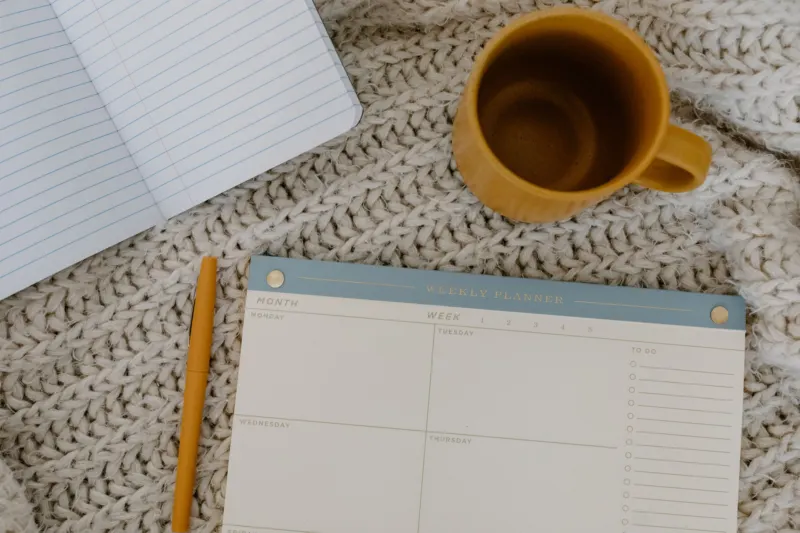
A grocery list is a small plan: it decides, in five quiet minutes at home, what you would otherwise decide in a noisy shop. Below is a template you can copy onto paper or into a phone note, with a filled-in example and the reasoning behind each section.
The British Nutrition Foundation suggests planning meals and writing a list after checking what you already have, so that food at home gets used. Nutrition.gov, the US Department of Agriculture’s nutrition information site, collects similar advice: plan before you shop, and track what you have against what you need to cut waste.
Before you write anything: three checks
- Look in the cupboard, fridge and freezer. Note anything that needs using this week. That becomes the start of a meal, not an afterthought.
- Count the meals you actually need. Seven dinners is rarely the true number. Subtract evenings out, leftovers nights and days when someone else cooks.
- Be honest about your kitchen and time. If you have one hob ring, a microwave or a shared fridge shelf, the list should fit that. So should the number of evenings you are willing to cook.
The template
The sections follow the food groups used in the UK’s Eatwell Guide, because they map neatly onto how most shops are laid out. Use the names that suit your own cooking.
| Section | How many to pick | Your items |
|---|---|---|
| Use up first (already at home) | Everything close to its date | … |
| Vegetables and fruit | 2–3 fresh for early in the week, 2–3 frozen or tinned for later | … |
| Starchy staples | 2 (one may already be in the cupboard) | … |
| Protein foods | 3, including at least one that keeps (tins, eggs, frozen, dried) | … |
| Dairy or alternatives | 1–2 | … |
| Flavour and cooking basics | Only what has run out | … |
| Breakfasts, lunches, snacks | The same few each week is fine | … |
| Things you simply like | Your choice | … |
The last row is there on purpose. A list that pretends you will never buy chocolate or crisps is a list you will stop using.
Why the sections are shaped this way
Fresh first, then frozen and tinned
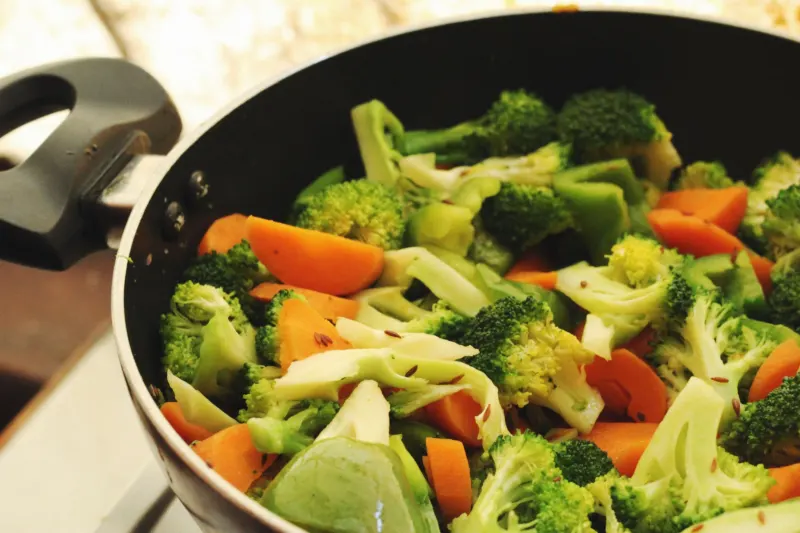
Splitting vegetables and fruit into “early week” and “later” means nothing wilts while it waits. The NHS says fresh, frozen and tinned fruit and vegetables all count towards its 5 A Day advice, and suggests tinned versions in natural juice or water with no added sugar or salt. The British Nutrition Foundation notes that canned and frozen produce is often cheaper than fresh and that frozen vegetables reduce waste because you use only what you need.
One protein that keeps
Tinned beans, lentils, tinned fish and eggs wait for you if plans change. The British Nutrition Foundation describes canned or dried pulses as low-cost and easy to store, and suggests using them to stretch meat in dishes such as curry or pasta sauce.
Starchy staples in twos
Two staples – say, rice and bread, or pasta and potatoes – give enough variety without a cupboard of half-used packets. The Eatwell Guide suggests choosing higher-fibre or wholegrain versions where you can; our fibre article lists where the differences are biggest.
In the shop
- Compare by unit price. The British Nutrition Foundation suggests using the cost per 100 g or 100 ml on the shelf label, since pack sizes differ.
- Try own-brand basics. The same source says supermarket own-brand and value ranges are normally cheaper than branded products, and that with economy-range staples such as dried pasta and rice there may not be much difference in taste.
- Look beyond the supermarket if you can. Markets, greengrocers and specialist shops, such as Asian grocers for spices, can be good value.
- Treat offers as optional. A reduced item is only a saving if it replaces something on the list or can be frozen.
- Check a label when two products look alike. You do not need to read every pack; our label guide shows which line to compare.
When you get home
Two minutes of sorting protects the plan. Move older items to the front. Anything you will not use in time can usually go in the freezer: the UK’s Food Standards Agency says food can be frozen right up to its use-by date, as long as the pack says it is suitable for freezing. It advises keeping the fridge between 0 and 5°C.
Label what you freeze with its name and the date. Unlabelled tubs tend to stay frozen for ever.
Keep the list, not just the food
Save each week’s list. After three or four weeks you will see your own pattern: the items you always buy, the ones that were thrown away, the meals that got cooked. Cross out what did not work, and your next list is mostly written. If you are also trying to add one regular change to how you eat, attaching it to the list is a reliable way of building a small habit.
For ideas on what to do with the shopping on evenings when there is very little time, see planning simple meals when time is limited.
Sources
- British Nutrition Foundation (UK) Eating healthily on a budget
- Nutrition.gov (US Department of Agriculture) (US) Food Shopping and Meal Planning
- NHS (UK) The Eatwell Guide
- NHS (UK) 5 A Day: what counts?
- Food Standards Agency (published on GOV.UK) (UK) How to chill, freeze and defrost food safely
How this guide was prepared
Written by Meetis Editorial with AI assistance, using the sources listed above, and checked against them before publication. It has not been reviewed by a doctor or other health professional. It is general information, not personal medical advice — for questions about your own health, speak to a qualified professional.